


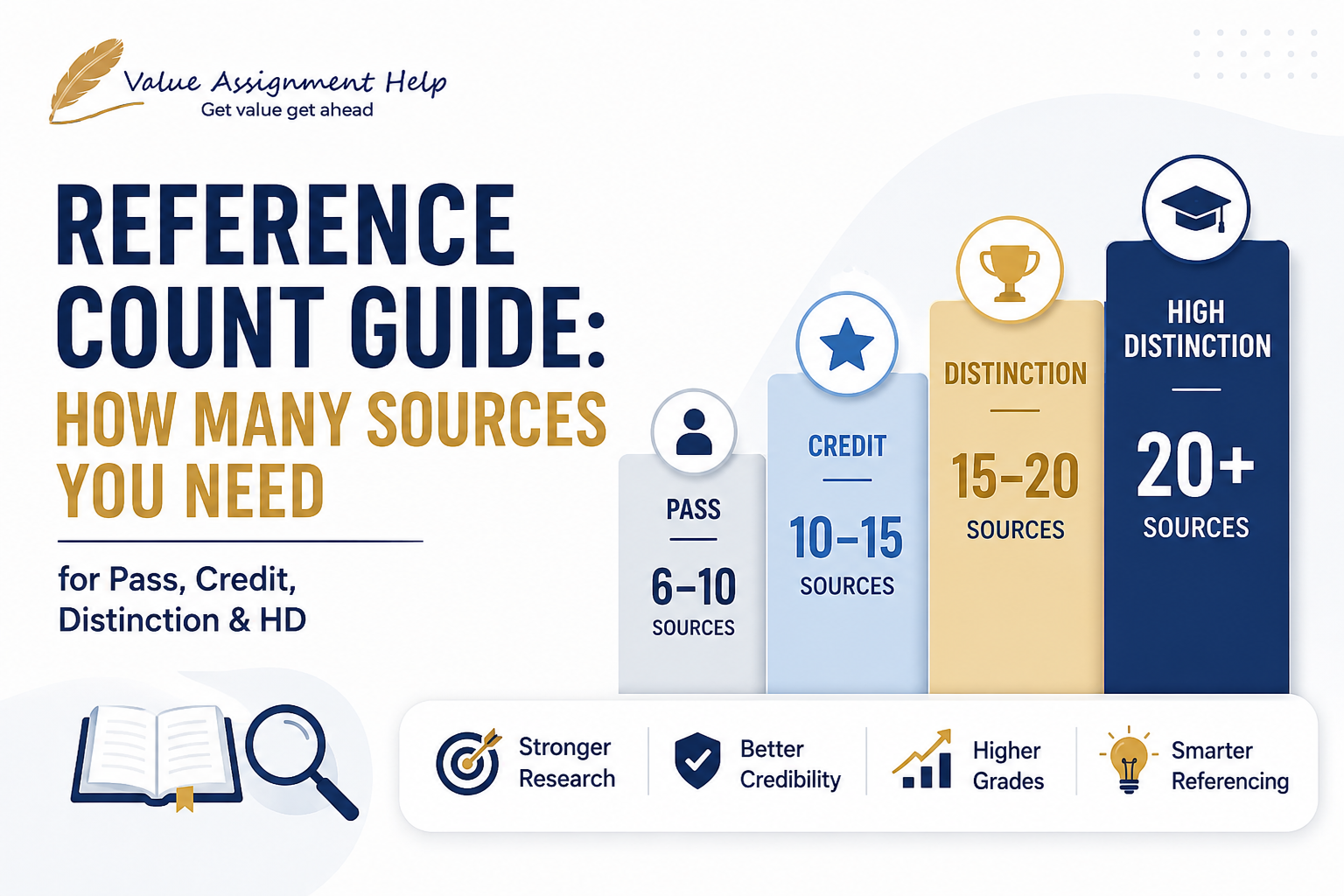
Reference Count Guide: How Many Sources You Need for Pass, Credit, Distinction & HD
Avoid overloading your Reference list: Why 15 Robust Sources Outweigh 40 Weak Ones – Tips for Proper Referencing in Your Research Article
How Many References Should Your Assignment Have? The Subject-by-Subject, Word-Count Guide Students Actually Need – updated 2026
How Many References for 1,000 / 1,500 / 2,000 / 2,500 / 3,000 Words? A Clear Breakdown by Experts
If you're a writer or student, you have probably heard the saying, ‘Too few references — you have not cited enough sources to support your argument and its vague’. A familiar statement that resonates with scholars and academicians. Based on our extensive experience working in the field, assisting students, and reviewing over 10,000 projects and assignments, we strongly believe that content alone is not the answer your institutions are looking for. Information is amply available to everyone at the touch of a button, without proper authentication of source and the author’s input towards the observation captured in the document will attract lower scores and poor feedback.
Before you begin writing with pen and paper or using your laptop keyboard, keep in mind that each subject has its own specific requirements. Different countries have varied rules, and not all invigilators approach documents in the same way. For instance, a law essay typically doesn’t need a generic reference count. OSCOLA, a legal referencing style created by Oxford University, is often used for legal citations. It requires references to journal articles, statutes, and case studies, following specific guidelines. Similarly, in the Nursing field, references are usually chosen based on their publication date, with a preference for those published within the last five years.
An essay should have a minimum of 1-2 references in every 100-150 words as a baseline. A 2000-word essay would need around 10-12 references to pass and around 20-22+ for an HD grade. The exact number of references depends on your specific subject, the country you are studying, your document instructions, word count criteria, your institution's expectations, and targeted grade marks. Full breakdowns by word count, subject, and grade target are below.
Handling numerous student inquiries daily, we often encounter questions about references on a daily basis. This article aims to identify and document the company’s learnings related to these common questions in real-world conversational contexts and from our observations of ongoing online queries.
Online platform queries in the student community highlight the growing discussion on the above subject, and also owing to the avid use of AI by almost 86% of students worldwide. Schools, colleges, and universities are adopting stringent measures to curtail content copied and pasted from the internet as their own, without adhering to academic integrity standards. So far, there is no formal AI guideline, and only a few institutions have adopted one. This has caused confusion among students who lack guidance and feel isolated, with some approaching us because their project coordinators did not answer their queries.
What you will find in this Guide:
- References by Word Count
- References by Subject
- References by Assignment Type
- Why Reference Count Matters
- Quality vs. Quantity
- Common FAQs
The article will explore common myths and practices in this area to help our readers respond more effectively to such questions.
Reference by word count:
When you are confused about the number of citations in your document, a reliable starting point is always your word count. You can use this table as a baseline and then adjust based on the subject and level, covered in the following section. (While there is no hard and fast rule for the number of references to be added as per word count, and it varies as per your college and university criteria, the below guidelines have been developed by Value assignment help experts after reviewing thousands of assignment briefs, and assisting more than a million students since 2009.
|
Assignment Word Count |
Minimum References (Basic Average Quality) |
Recommended Range (Decent/ Moderate Quality) |
Strong Submission (HD/HD+ quality) |
|
500 words |
4–5 |
5–7 |
8+ |
|
1,000 words |
6–8 |
8–12 |
14+ |
|
1,500 words |
8–10 |
10–15 |
18+ |
|
2,000 words |
10–12 |
12–20 |
22+ |
|
2,500 words |
12–15 |
15–25 |
28+ |
|
3,000 words |
15–18 |
18–30 |
35+ |
|
4,000 words |
20–25 |
25–40 |
45+ |
|
5,000 words |
25–30 |
30–50 |
55+ |
|
8,000 words |
40–50 |
50–80 |
90+ |
|
10,000 words (dissertation/ Thesis) |
60–75 |
80–120 |
130+ |
Expert Tip by: Editor in chief: (Shikha Kapoor): The number of references should always be dense in the body section. Introduction and conclusion sections typically contain fewer citations. The body part is where the evidence density actually matters.
Reference by Subject:
Every subject has different citation requirements, and they vary significantly. A creative essay and a law essay of same word count will have very different reference expectations, and it is best to refer to your recommended reference format guide in your assignment to guide you for the kind of reference requirement as per your subject but in case you are still confused and Bit of help in understanding average citation requirement, then here is what’s to expect across the most common subjects.
|
Subject |
Minimum Pass Marks (50-59%) |
Recommended Credit (60-79%) |
Strong/HD (80+) |
Recommended reference sources by VAH experts |
|
Nursing & Healthcare |
12–15 |
16–22 |
28–35+ |
75%+ peer-reviewed journals, within 5 yrs; NICE/WHO guidelines; no textbooks |
|
Law |
10–15 |
18–28 |
35–45+ |
18–25 cases + statutes; 10–14 legal journals; cite originals not textbooks |
|
Business & Management |
10–14 |
15–22 |
28–38+ |
16+ journals; 4–6 industry reports (McKinsey, Deloitte); 1–2 textbooks max |
|
Psychology |
10–14 |
15–22 |
28–36+ |
20+ empirical studies; 3–5 meta-analyses; seminal studies cited directly |
|
English Literature |
7–10 |
11–16 |
18–24+ |
12+ journal articles; 2–4 primary texts; 3–4 critical theory frameworks |
|
Sociology & Social Sciences |
10–14 |
15–22 |
28–36+ |
18+ journals; 3–5 policy docs; original theorists (Marx, Bourdieu) cited directly |
Expert Tip to Score HD grades: The jump from distinction to HD grades is less about raw count and more about the quality of references added. So, always try to incorporate peer-reviewed journals as your primary source and cite them well. It is also important to critically engage with your referred source and show that you have actually read the document, rather than just listing it.
Source Type by the Target Grade:
As noted by our expert, Shikha Kapoor above, hitting the count is only half the picture; the quality of your reference source also matters. To score higher grades, always avoid grey literature and website-based articles, as that knowledge is not considered credible in academic essays and research.
|
Source Type |
Minimum (Pass) |
Recommended (Credit–Dist) |
Strong / HD |
|
Peer-reviewed journals |
~30–40% of list |
~55–65% of list |
~75–85% of list |
|
Academic textbooks |
Heavy use OK (40–50%) |
Moderate (20–30%) |
Minimal (5–10%) |
|
Seminal / foundational texts |
Not required |
1–2 useful |
Essential — cite originals, not textbook summaries |
|
Gov't / official reports |
Optional |
Useful for context |
Used strategically where relevant |
|
Websites / grey literature |
1–2 acceptable |
Quality orgs only, 1–2 max |
Rarely; only if no academic equivalent |
|
Wikipedia / general sites |
Never cite |
Never cite |
Never cite |
|
Source currency |
Within 10 years |
Within 5–8 years |
Within 3–5 years + seminal exceptions |
Why does reference count matter?
The count of references gives three strong signals to your marker.
- This student has conducted in-depth research: When your marker sees your reference list and the number of citations that you have mentioned in your document, it gives a direct signal to them that the student has read widely and built an argument based on solid academic foundations and not as per their personal opinion alone.
- The student understands and respects academic honesty: References are added to give due credit for a borrowed thought (that is actually not yours, but makes your argument stronger). Every idea and fact that you use that is not your original thought must be attributed through referencing, which can account for plagiarism even when unintentional.
- Student has critically engaged with different sources: when you use a variety of sources from different journals, publications, time, authors, it shows your markers that you have compared different perspectives, which is essential for higher grades at graduate and post-graduate level.
A key point to note here is that markers do not count your references one by one; what they notice is whether your argument is supported at every critical point and whether your sources are academically relevant, current, and varied. In an academic context, avoid using non-academic sources, such as blogs, newspaper articles, Wikipedia, and generic content published on unauthorised websites.
Always Prefer Quality over Quantity:
As you might already be aware of this, but reaching the minimum reference count is just the starting point, to score well and actually prepare a well-researched document, it is imperative that you focus on the quality of the references and not the quantity.
Keep the following points in mind:
- Don’t list the references, work with them. Don’t just cite them for the sake of citing. Read them, understand what the author is trying to say and see how their argument fits within the context of your document.
- Use multiple sources. If one source covers more than 15-20% of your citations, then your research base is too narrow.
- No overstuffing of references: If more than 25% of the document word count is only met by citations, then you are clearly overstuffing. Adding citations doesn’t genuinely support a point just to hit a number. Your teacher can actually see when you have just engaged written the reference and when you have actually engaged with your source. Your references should be 10-15% of your total word count.
- Paraphrase your sources instead of directly quoting them. You must show that you have understood the writer’s opinion and presented it in your own words, as per your document context.
Related Queries posted in online platforms like Reddit/Quora :
Am I over-citing or Am I under-citing?
Neither question can be answered with a number alone; what matters is function, not the frequency. Every citation should be doing three jobs: helping you back a claim you couldn't make on your own, showing that you have engaged critically with the literature, and setting up a contrast for your argument. If you are asking this question, you might be unsure of whether your own analysis is strong enough to stand next to the sources.
Do more references means higher marks?
No. This is one of the most common myths in academic writing. Examiners score the quality of sources and the depth of your engagement with the sources, and not the volume of sources. A paper with 10 sources that are each analysed, thoroughly studied, and compared against each other will outsource a paper with 25 references that are simply listed. always go for critical engagement with the sources. More sources do not mean more marks.
What if my teacher fails me for plagiarism even after I have cited the source?
It is advised to check the issue before jumping the gun. It might be a technical issue, where you have forgotten to mention an in-text citation, followed an incorrect format, or have simply paraphrased incorrectly. The plagiarism checking software compares the textual similarity, so if you have not paraphrased in your own words, the text might catch plagiarism. In such a case, revise the sentence in your own wordings. If you are confident in your content and project, you can approach your teacher directly with justification, as we are all human and we understand that errors are human in nature as the saying goes- ‘to err is human’.
Can I use a 2026 source in 2026 ? How old is too old ?
The query cannot be addressed independently, as it varies by subject and country. ( read our upcoming article on - Referencing Insight – country+ Subject+ style). However, a rule of thumb is- in fast-moving industries, such as AI, a citation from 5 years might be obsolete, and might not help you in justifying your claim. On the other hand, in stable fields, such as History or law, a much older source can still be the most authoritative source available. Before considering a source as "too old" or "too new", ask yourself, "has anything significant happened in my topic area since this source was published?" If yes, then "how does that change impact the relevance of this source?"
Can I cite sources without reading them?
No. This is absolutely not recommended. This is one of the most common shortcut that backfires, and the very reason you will be handed over lower grades or sent for revisions. Citing a source from an abstract or summary, without reading the document first, means you risk misinterpreting what has actually been written in the document.
Can I have too many references in my document? How do I know the ideal number?
Yes. There are two ways to determine if you've added too many references. If 35% of your document's text is based on cited sources, you may be under-analysing, since citations support your arguments but do not replace them. Conversely, if in-text citations take up more than 25% of your total word count, you are overloading your text with references. Aim to keep citations within 10-15% for balanced referencing. However, this isn't a hard rule across every discipline or institution, but it is a useful self-check before submission.
Do references count towards the final word count?
Yes. In-text citations (that you add in the text, paranthetical sources, or footnoted references within your writing) account towards the final word count, while the reference list at the end of the document doesn’t account towards the total word count. However, it is advisable to check your assignment brief rather than assuming.
Can I cite the same source more than once?
Yes. You can cite the same source more than once. Just avoid using only one source.
The integrity crisis is real and is an increasing concern. However, only a small percentage of education departments have successfully implemented policies to monitor AI use. Without clear AI guidelines, the rate of AI use in academia has surged by over 400%.
Higher studies require thorough research, prompting students to examine a range of sources and materials to form well-informed opinions. As our editor-in-chief, Dr Abhijeet Rajkeins suggests- ‘Students should approach research papers without any initial bias toward the topic. Because all your thoughts, search results, and choices are already accessible online, beginning with a pre-existing opinion might reduce the effectiveness of your effort. If your aim is to write based on an existing view or to build upon what others have said, you have quietly joined the domain of 95 % average mind-setters who struggle to go beyond the threshold. This can lead to biased results. Instead, start with a neutral research perspective.
I used ChatGPT to research. Can I use that research and add citations?
Keep in mind that not everything in AI is accurate, as it is primarily designed to satisfy users. With Google’s new update and AI improving their searches based on users’ searches and online history, the results of your searches online are going to be motivated. Explore all documents across platforms—nothing is stopping you. But develop your opinion only after thorough investigation, as your readers expect you to be truthful when addressing a subject. Focus on developing your ideas within an article. Begin by conceptualising the idea instead of concentrating on producing a word count document – you will succeed with an original draft article. Congratulate yourself as you read through because – you have just submitted your first original article.’ The last word – The most difficult thing in our domain is to teach our users to make originality their first choice – no one needs information, but everybody is interested in reading an opinion backed by research, as you are reading ours. There is no fun in producing content that already exists.
Get in touch with us if you are still stuck on your reference list.
Know your target and hit your grade. Our academic experts build reference lists to your exact grade, band, and subject. Get in touch with us if you are still struggling to create a correctly formatted reference list in line with your citation guidelines. Our experts are proficient in APA, Harvard, Chicago, and MLA citation guidelines.
Check out some of our original referenced articles for your help.
- Complete Guide to APA 7 referencing and formatting- Updated May 2026
- Referencing and the Need : How Generative AI is reshaping the importance of referencing to uphold academic integrity.
- Staying Relevant - The Evident Crisis in the Current Education System
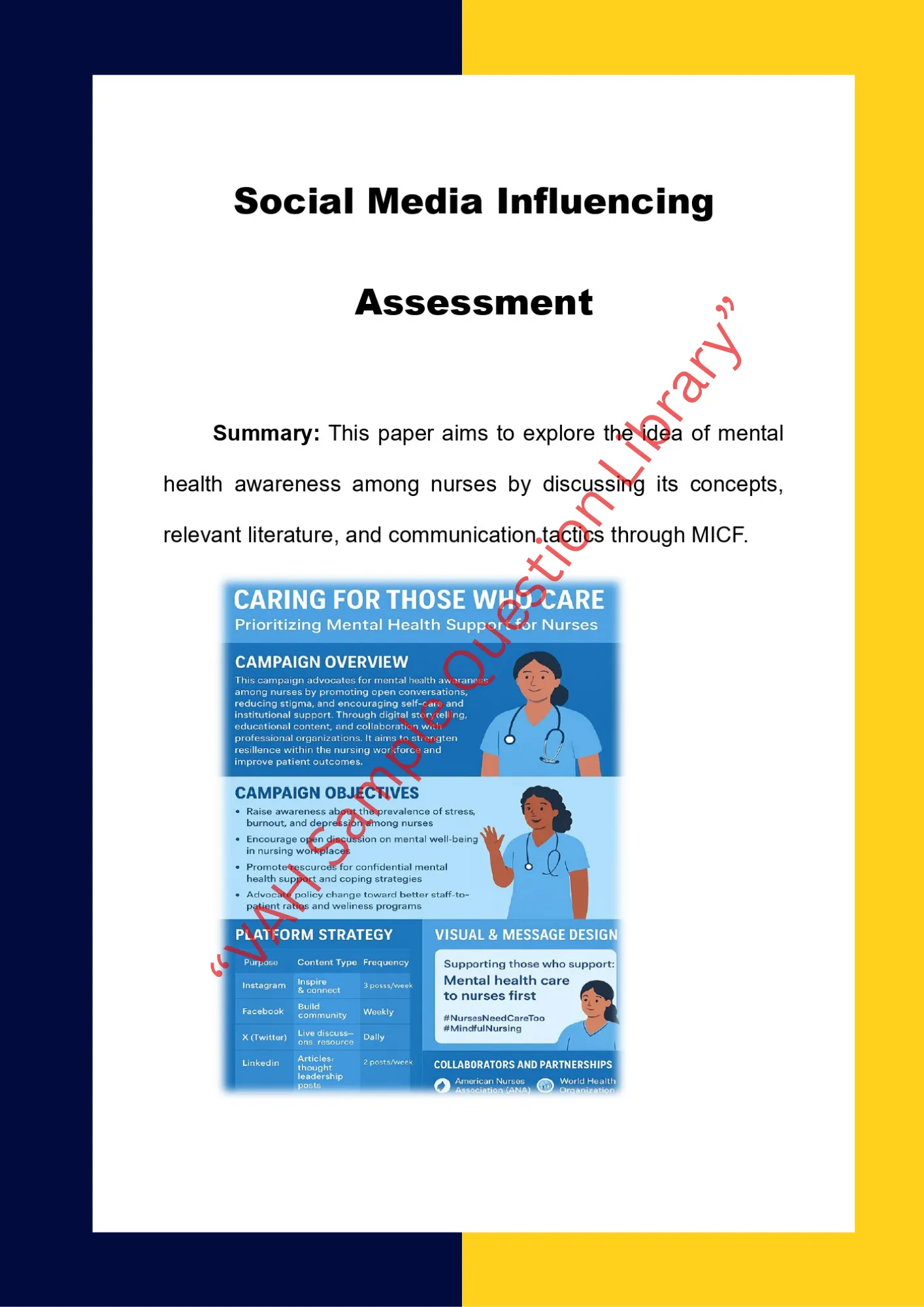
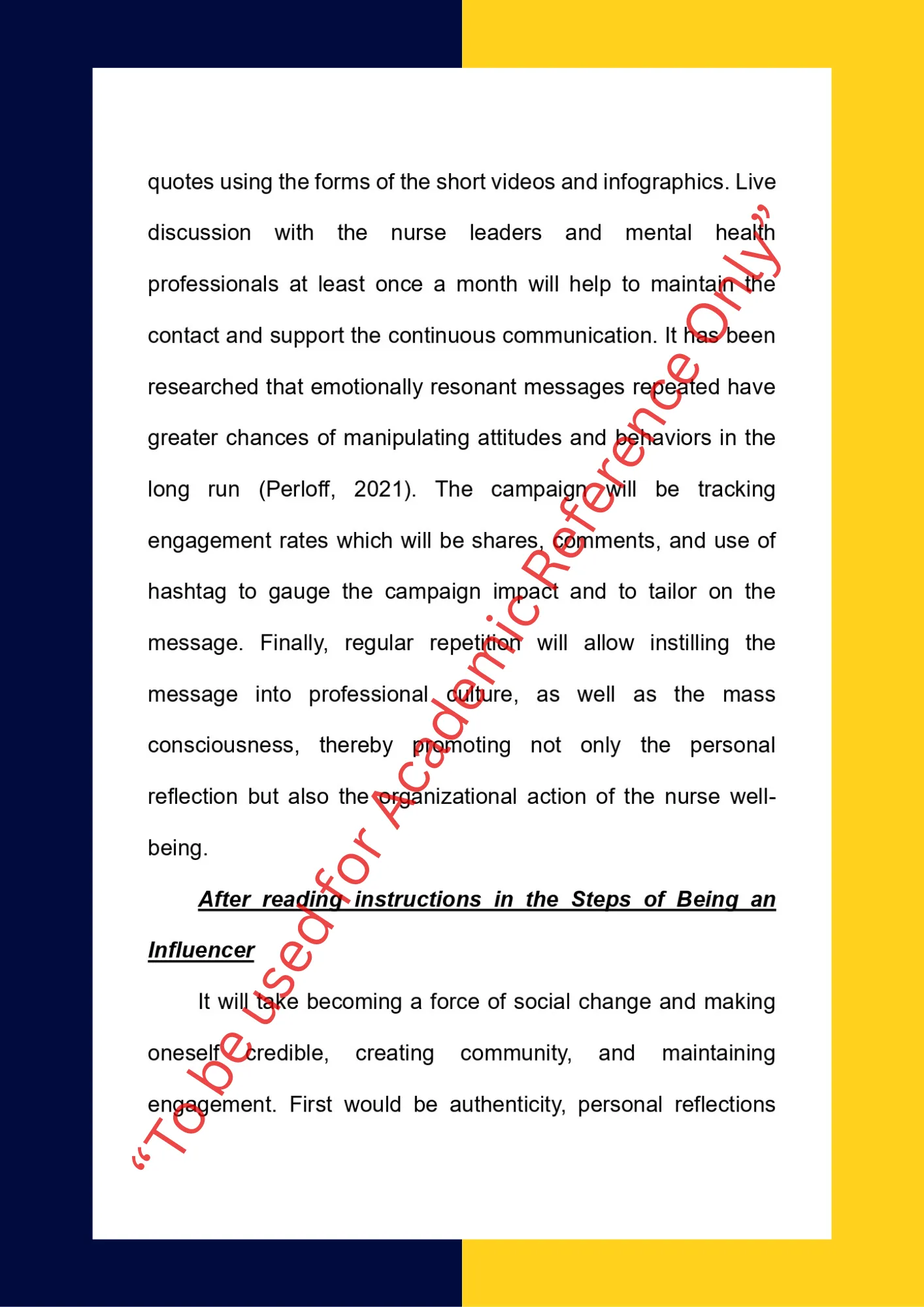
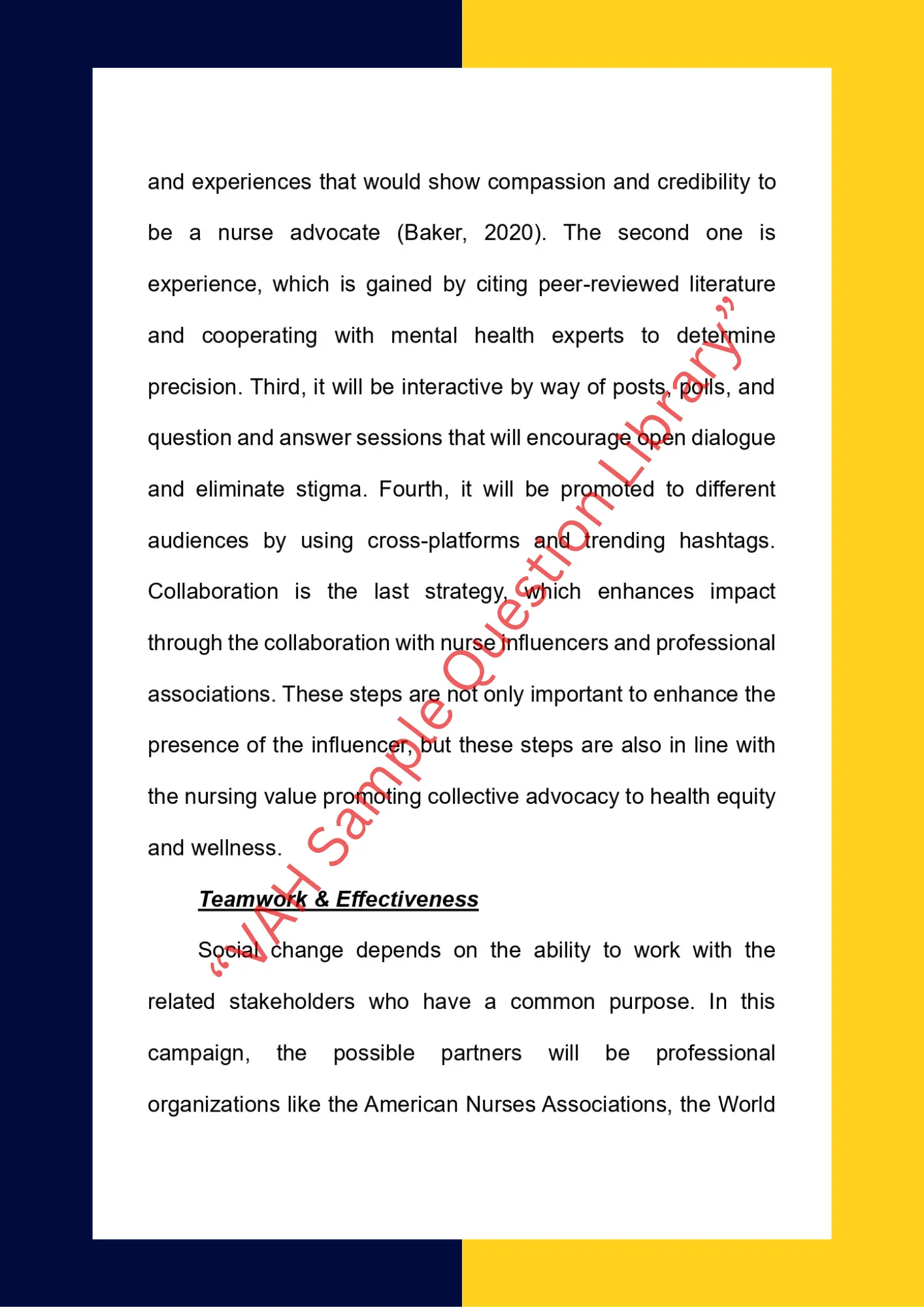
Sample 1 : Social Media Influencing Assessment


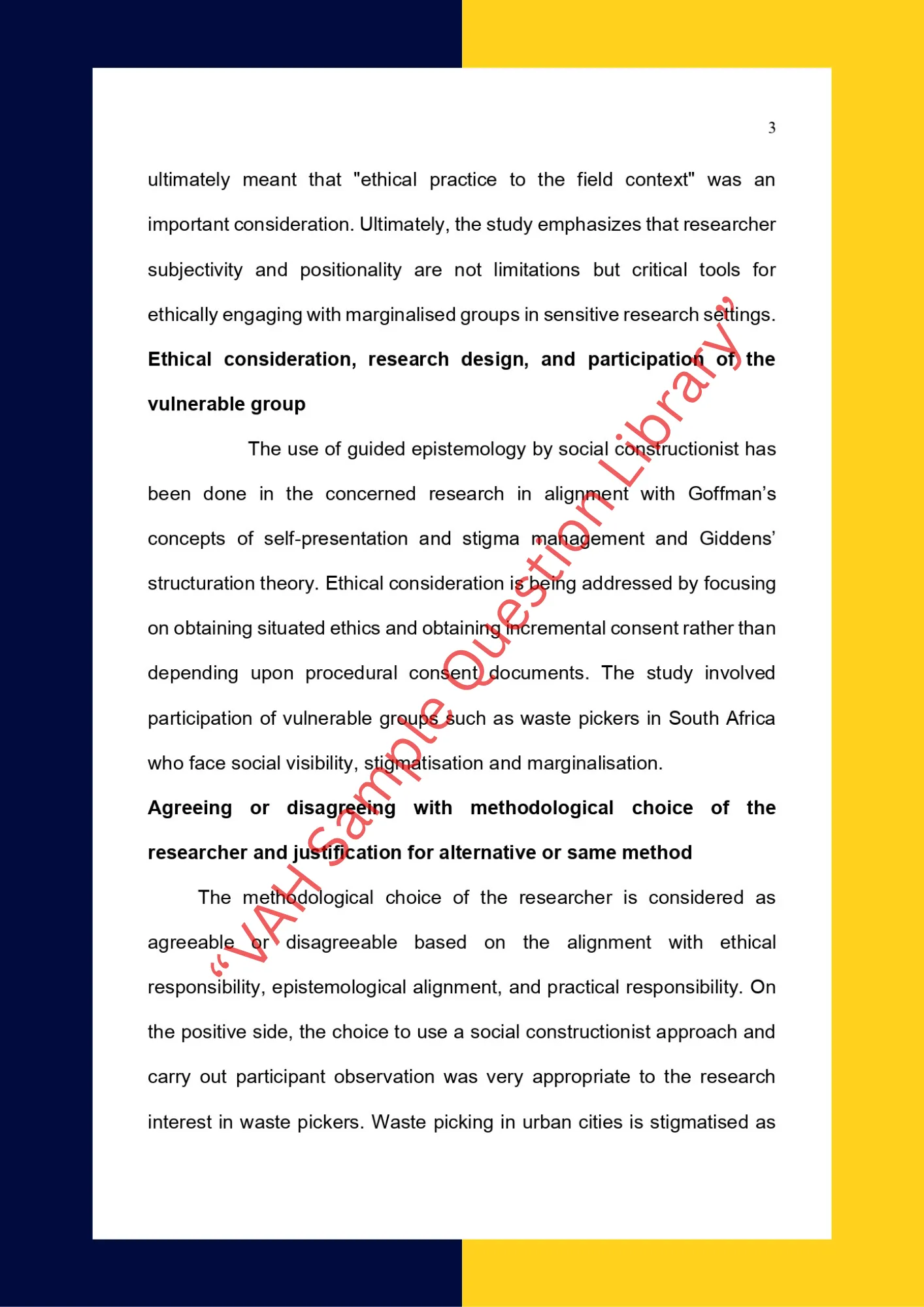
Sample 2 : Hab_Ethical Review





Disclaimer: all content and intellectual property remain the exclusive property of value Assignment Help









No Comments